
The City of El Monte is experiencing one of its most transformative eras in decades. Long known as a crucial regional transportation hub within the San Gabriel Valley, El Monte is leveraging its transit assets to create a vibrant, walkable, and economically resilient urban core. From the ongoing Downtown Main Street Transit-Oriented Development (TOD) Specific Plan to multi-use residential communities surrounding key transit hubs, major changes are underway.
For longtime residents, local business owners, and new home buyers alike, understanding these development blueprints is key to navigating the city’s evolving landscape. Here is a detailed breakdown of the major projects, infrastructure updates, and civic goals reshaping downtown El Monte.
1. The Vision: El Monte’s Downtown Main Street TOD Specific Plan
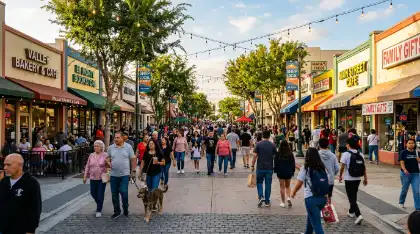
At the heart of the city’s transformation is the Downtown Main Street TOD Specific Plan, a comprehensive framework designed to re-envision over 110 acres of the city’s traditional core. Bounded by major corridors such as Santa Anita Avenue, Ramona Boulevard, and the Rio Hondo River, the plan establishes clear zoning guidelines to replace aging, underutilized parcels with modern, mixed-use communities.
Rather than treating downtown merely as a pass-through zone, the city’s strategy focuses on creating a “live, work, play” destination. Key sub-areas within the specific plan include:
- Main Street Corridor (Valley Mall): Renaming and revitalizing the historic commercial area with street-level retail, outdoor dining options, and residential units above ground-floor businesses.
- The Zócalo Sub-Area: Centering new commercial activity around a dedicated public plaza designed for community gatherings, cultural events, and farmers’ markets.
- Station Sub-Area: Maximizing housing density and pedestrian connectivity immediately adjacent to the El Monte Metrolink and Bus Terminals.
2. Leveraging Transit Hubs for Housing & Growth
The El Monte Station is one of the largest public transit facilities on the West Coast, serving thousands of regional commuters daily via Metro buses, Foothill Transit, and Metrolink trains. Historically, much of the immediate surrounding land was occupied by vast surface parking lots or industrial spaces. Through Transit-Oriented Development initiatives, these parcels are being converted into vibrant residential communities.
Expanded Affordable and Workforce Housing
Addressing the regional housing shortage is a central pillar of El Monte’s transit master plan. Recent years have seen the construction and completion of numerous affordable, senior, and supportive housing projects clustered near Ramona Boulevard, Tyler Avenue, and Valley Boulevard. By placing higher-density housing within walking distance of public transit, the city enables residents to reduce reliance on personal automobiles, saving on commuting costs while lowering regional carbon emissions.
Mixed-Use and Ownership Opportunities
In addition to affordable rental units, private developers are introducing new homeownership models to the area. Infill developments featuring modern townhomes, condominiums, and mixed-use ground-floor commercial spaces—such as projects along Valley Boulevard and near the Metrolink station—provide young families and working professionals with accessible entries into the local real estate market.
3. Infrastructure, Streetscapes, and Pedestrian Safety
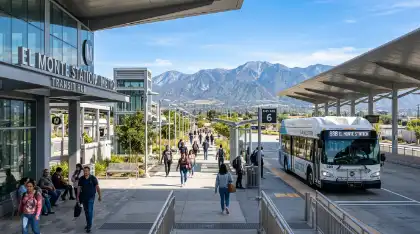
A successful transit-oriented downtown requires more than just new buildings; it demands high-quality public space and safe active transportation infrastructure. As part of the broader revitalization strategy, the city and regional partners are executing critical streetscape enhancements:
- Pedestrian Paseos and Wide Sidewalks: Expanding walkway widths, introducing decorative paving, and building mid-block pedestrian paseos to seamlessly connect surrounding neighborhoods directly to transit centers.
- Urban Greening and Bioswales: Planting native shade trees along major sidewalks and installing landscaped bioswales to capture urban stormwater runoff while mitigating the urban heat island effect.
- Traffic Calming and Active Transit: Incorporating protected bike lanes, upgraded crosswalk signaling, and bulb-outs at high-traffic intersections to protect pedestrians and cyclists.
- Public Safety & Lighting: Installing energy-efficient LED pedestrian lighting along main avenues to ensure well-lit, safe walking environments during evening hours.
4. Economic Impacts for Small Businesses & Local Residents
For homegrown business owners along Valley Boulevard and Main Street, downtown revitalization offers significant opportunities alongside transition challenges. Increased residential density in the immediate downtown core creates a built-in customer base for local restaurants, grocery stores, and retail services.
To protect the unique cultural fabric of El Monte, economic development programs aim to support existing “mom-and-pop” merchants. Commercial storefront improvement grants, infrastructure modernizations, and organized community events help long-standing local businesses thrive as foot traffic increases.
What Residents Should Expect Next
As construction phases continue across various downtown sub-areas, residents can anticipate ongoing physical improvements along major corridors. While temporary street closures or construction delays may occur during utility and streetscape upgrades, the long-term payoff will be a cleaner, safer, and more economic hub.
Community members are encouraged to participate in public City Council hearings, Planning Commission reviews, and local town halls to share feedback on upcoming zoning adjustments and park designs.
Summary
El Monte’s commitment to transit-oriented development and downtown revitalization is reshaping the city from a regional transit gateway into a modern urban village. By balancing housing growth, pedestrian safety, environmental greening, and small business support, El Monte is building a sustainable foundation for future generations.