
Owning a home in El Monte, California, offers many advantages, including access to the greater Los Angeles area, established residential neighborhoods, local parks, shopping, and community amenities. However, maintaining a home in Southern California can also be expensive. Utility bills, aging fixtures, exterior maintenance, and rising contractor costs can make even small renovation projects feel overwhelming.
The good news is that improving your home does not always require a major renovation. Affordable home improvements in El Monte can make a property more comfortable, attractive, functional, and efficient without putting unnecessary pressure on your household budget.
Whether you own a traditional single-family house, a compact starter home, or an older property that needs attention, the best approach is to focus on improvements that solve real problems. Fresh paint, better lighting, water-efficient fixtures, improved weather sealing, and thoughtful landscaping can all make a noticeable difference.
The key is to understand which upgrades offer the most practical benefits, plan projects according to your budget, and avoid spending money on cosmetic changes before addressing more important maintenance issues.
Why Affordable Home Improvements Matter in El Monte
El Monte has a mix of older homes, established residential streets, and properties that have been updated over several decades. While this variety gives the city character, it also means that maintenance needs can differ significantly from one house to another.
Some homeowners may need to replace worn flooring or update an outdated bathroom. Others may be more concerned about high summer cooling costs, inefficient windows, aging plumbing, or exterior surfaces that have deteriorated over time.
Small improvements can help address these issues before they become more expensive problems. For example, repairing a leaking faucet may prevent water waste, while replacing damaged exterior caulking can help keep moisture from entering vulnerable areas of the home.
Home improvements can also support long-term ownership goals. If you expect to stay in your property for many years, upgrades that improve comfort and reduce maintenance may be more valuable than expensive cosmetic features. If you plan to sell, a clean, well-maintained home with practical updates may make a stronger impression on potential buyers.
Homeowners researching the local property market can also explore our related guide to El Monte housing market trends and homeownership. Understanding local housing conditions can help you decide whether to prioritize everyday comfort, maintenance, or improvements that may appeal to future buyers.
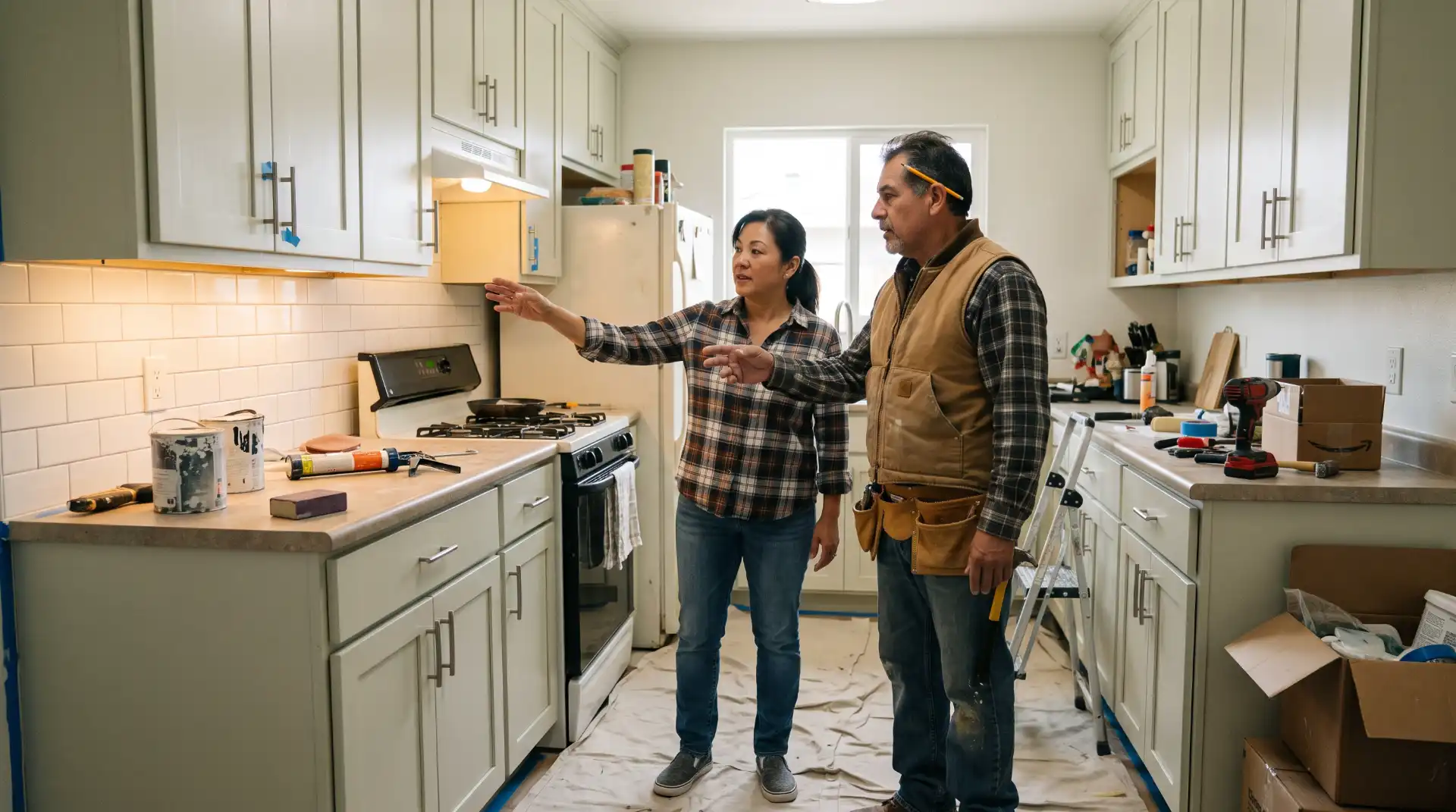
1. Refresh Your Home’s Exterior With Affordable Updates
Your home’s exterior creates the first impression for visitors, neighbors, and potential buyers. Fortunately, improving curb appeal does not always require expensive landscaping or a complete exterior renovation.
Start by evaluating the areas that are most visible from the street. Peeling paint, a faded front door, dirty walkways, damaged house numbers, and overgrown plants can make a property appear neglected even when the interior is well maintained.
A thorough cleaning can be an inexpensive first step. Sweep the driveway, remove debris from the entrance, clean exterior light fixtures, and wash appropriate exterior surfaces using methods suitable for the material. Avoid excessive pressure washing, which can damage siding, loosen paint, or force water behind exterior finishes.
Painting the front door can provide a noticeable visual improvement for a relatively small investment. Choose a color that complements the existing exterior rather than introducing a shade that clashes with the roof, trim, or surrounding architecture. Replacing worn house numbers and a damaged mailbox can further improve the entrance.
Before purchasing decorative materials, inspect the exterior for problems that require attention. Loose railings, cracked steps, damaged trim, and deteriorating sealant should take priority over purely decorative changes.
Homeowners should also consider the local climate when choosing exterior materials. Southern California receives substantial sunshine, and some finishes can fade or deteriorate more quickly when exposed to direct sunlight. Select products designed for the intended surface and follow the manufacturer’s preparation and application instructions.
A simple exterior refresh can make a home feel more welcoming while helping preserve the condition of its existing materials.
2. Improve Energy Efficiency Without Replacing Everything
Energy efficiency is an important consideration for El Monte homeowners, particularly during hot weather when air conditioning can increase electricity consumption.
However, replacing every window or installing a completely new heating and cooling system is not always the most affordable starting point. Smaller improvements can help reduce unnecessary energy use while making indoor spaces more comfortable.
Begin by inspecting doors and windows for noticeable air leaks. Worn weatherstripping, damaged door sweeps, and gaps around suitable window frames can allow conditioned air to escape. Replacing worn seals may improve comfort without requiring a major construction project.
Curtains and blinds can also help manage sunlight. Rooms with windows facing direct afternoon sun may become particularly warm during summer. Closing suitable window coverings during the hottest part of the day can reduce solar heat entering the home. Opening windows when outdoor conditions are comfortable may help with ventilation, provided outdoor air quality and security conditions are appropriate.
Ceiling fans can improve perceived comfort by circulating air. They do not necessarily lower the actual room temperature, but their airflow can help people feel cooler. During warmer weather, this may allow some households to use air conditioning more efficiently, depending on their comfort preferences.
LED lighting is another practical improvement. LED bulbs generally use less electricity than traditional incandescent bulbs and often last longer. Replacing frequently used lights first can spread the cost over time.
For homeowners considering larger improvements, compare the condition and performance of existing windows, insulation, and cooling equipment before deciding what to replace. A professional energy assessment may help identify the upgrades that are most appropriate for your home.
For additional technical guidance, consult the U.S. Department of Energy’s Energy Saver resource. It provides information about home energy use, efficiency improvements, insulation, and heating and cooling.
3. Give Your Kitchen a Budget-Friendly Refresh
A complete kitchen remodel can involve expensive cabinets, countertops, plumbing, electrical work, appliances, and installation. Yet many kitchens can look cleaner and more modern through smaller improvements.
Start by examining the cabinets. If the existing cabinet boxes are structurally sound, replacing them may be unnecessary. Cleaning the surfaces thoroughly, repairing loose hinges, adjusting misaligned doors, and installing updated handles can make the kitchen look more polished.
Painting cabinets may also be an option when the existing finish and material are suitable. Preparation is essential. Grease, dirt, and old finishes can prevent new paint from adhering properly. Use products designed for cabinetry and allow adequate curing time before returning items to the cabinets.
A new backsplash can provide a focal point, but the cost depends on the materials, preparation, and installation requirements. Homeowners working with a limited budget may instead refresh the surrounding surfaces, improve task lighting, or replace an outdated faucet.
Lighting is particularly important in kitchens because shadows can make food preparation more difficult. Under-cabinet lighting can illuminate work surfaces, while a well-positioned ceiling fixture can improve general visibility.
Before purchasing new appliances, consider whether existing ones are functioning safely and efficiently. Replacing a working appliance solely for appearance may not be the best use of a limited renovation budget. If an appliance needs replacement, compare operating costs, dimensions, warranty coverage, and installation requirements.
The goal is to create a kitchen that works better for everyday life. Clean surfaces, functional storage, dependable fixtures, and good lighting can often deliver more practical value than expensive decorative additions.
4. Update the Bathroom Without a Full Remodel
Bathrooms can become expensive renovation projects when homeowners replace every fixture and finish at once. A more affordable approach is to identify the most visible and functional problems first.
Begin by checking for leaking faucets, loose handles, deteriorating caulk, slow drains, and signs of moisture damage. A small leak may seem insignificant, but persistent water exposure can damage surrounding materials and contribute to mold growth.
Replacing a worn faucet or showerhead may improve appearance and water efficiency. Select fixtures compatible with the existing plumbing and verify that the products meet your household’s needs.
Fresh caulk can improve the appearance of suitable joints around a bathtub or shower, but the old material must be removed and the surfaces prepared correctly. Caulk should not be used to conceal active leaks, damaged tile, or underlying moisture problems.
Updating a mirror, towel bar, toilet-paper holder, or light fixture can also make an older bathroom feel more contemporary. Choose coordinated finishes to create a consistent appearance without buying an entire matching bathroom set.
Ventilation deserves special attention. Bathrooms generate moisture, and inadequate ventilation can contribute to condensation and deterioration. Confirm that the exhaust fan operates properly and vents as intended. If moisture persists, investigate the cause instead of relying only on cosmetic repairs.
For homeowners planning to sell, a clean and well-maintained bathroom may be more appealing than one filled with expensive but highly personalized finishes. Neutral colors, functional storage, clean grout, and reliable fixtures are often sensible choices.
5. Replace Outdated Lighting With Practical, Efficient Options
Lighting influences how a home looks and how comfortably people use its rooms. Dark hallways, poorly lit kitchens, and harsh bedroom lighting can make an otherwise attractive property feel less inviting.
Replacing old bulbs with LEDs is one of the simplest improvements. Because LEDs generally consume less electricity than incandescent bulbs, they can help reduce lighting-related energy use. Their longer service life can also mean fewer bulb replacements.
Pay attention to the color temperature of the bulbs. Warm white light often works well in living rooms and bedrooms, while neutral or cooler light may be preferred in work areas. Using an appropriate color temperature throughout connected spaces can make the overall lighting scheme feel more consistent.
Layered lighting can improve both appearance and function. General lighting illuminates the room, task lighting supports activities such as cooking or reading, and accent lighting highlights selected features.
For example, a living room might combine a ceiling fixture with a floor lamp near a reading chair. A kitchen might use ceiling lighting together with focused illumination over the countertop. These additions can improve usability without changing the room’s structure.
Before installing new fixtures, check whether the existing electrical boxes and wiring are suitable. Electrical work beyond simple bulb replacement may require a qualified professional. Do not attempt electrical modifications if you are unfamiliar with safe installation practices.
A thoughtful lighting plan can make rooms feel more comfortable and reduce the temptation to spend money on larger decorative changes.
6. Improve Flooring Without Replacing Every Room
Flooring can have a significant effect on a home’s appearance, but replacing every floor at once can be costly. Homeowners should first determine whether the existing material can be cleaned, repaired, or refinished.
Hardwood flooring may benefit from professional refinishing if the wood is in suitable condition. Some tile floors can look substantially better after thorough cleaning and appropriate grout maintenance. Carpet may need deep cleaning or replacement if it has persistent odors, significant staining, or damage.
When replacement is necessary, compare materials based on durability, maintenance, comfort, and installation cost. Vinyl plank flooring, laminate, tile, and other products each have different advantages and limitations. The best choice depends on the room, the condition of the subfloor, household needs, and the manufacturer’s installation requirements.
Moisture-prone areas need particular attention. A flooring product that performs well in a bedroom may not be suitable for a bathroom or a location with recurring water exposure.
It is also important to inspect the floor beneath the visible surface when there are signs of movement, soft spots, persistent odors, or water damage. Covering an underlying problem with new flooring can lead to additional expense later.
If your budget is limited, prioritize the rooms where flooring is most damaged or where the improvement will make the greatest everyday difference. Completing one room properly is often better than spreading the budget too thinly across the entire home.
7. Create a Low-Maintenance, Water-Wise Backyard
Outdoor space can be especially valuable in Southern California, but maintaining a large lawn or elaborate garden may require substantial water, equipment, and ongoing care.
A water-wise backyard can reduce maintenance while creating a comfortable place to relax. Start by identifying how you use the space. A family that enjoys outdoor meals may benefit from a small seating area, while someone who prefers gardening might prioritize raised beds and planting space.
You do not need to redesign the entire yard. Cleaning the existing patio, repairing loose paving, adding a few suitable containers, and organizing outdoor furniture can make the area more usable.
Consider plants that are appropriate for the local climate and the amount of sun your yard receives. Native and other climate-appropriate plants may need less supplemental irrigation once established, although watering requirements vary by species, soil, season, and planting conditions.
Grouping plants according to their water needs can make irrigation easier to manage. Inspect hoses, drip lines, and sprinkler heads for leaks or misdirected spray. Water should reach the intended planting areas rather than repeatedly soaking walkways or flowing into the street.
Mulch can help retain soil moisture and limit weeds when applied appropriately. Keep mulch away from direct contact with building siding and plant stems, and follow suitable fire-safety and landscape guidance for your property.
Before building a patio cover, installing a substantial retaining wall, or changing drainage patterns, check the relevant local requirements. Poorly planned drainage can direct water toward foundations or neighboring properties.
A well-organized backyard can provide additional living space without the cost of a major outdoor renovation.
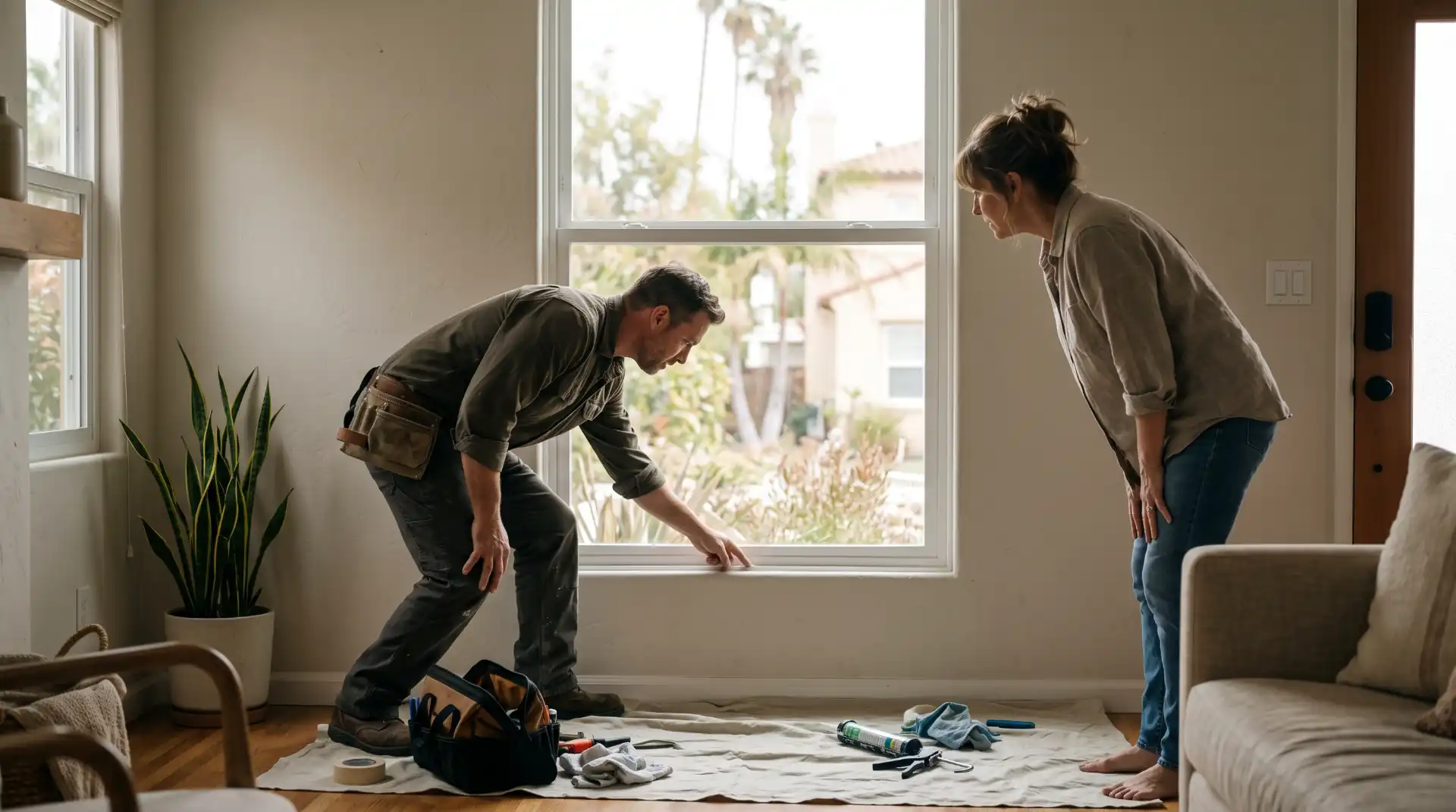
8. Improve Insulation, Ventilation, and Cooling Performance
Some home improvements are not immediately visible, but they can make a meaningful difference in comfort and maintenance costs.
Insulation, air sealing, ventilation, and cooling equipment work together. A home with air leaks or inadequate insulation may be more difficult to keep comfortable during hot weather. However, the most appropriate improvement depends on the home’s design and existing condition.
Start by observing where rooms become uncomfortable. Is one bedroom consistently warmer than the rest of the house? Does conditioned air seem to escape around a door? Does the cooling system run frequently without maintaining a comfortable temperature?
These observations can help identify areas that deserve closer inspection.
Replace HVAC filters according to the equipment manufacturer’s instructions and keep supply and return vents unobstructed. Routine maintenance can support proper airflow and help identify developing equipment problems. Do not close or block vents without understanding how doing so affects the system.
If the home has significant temperature differences between rooms, a qualified HVAC professional can evaluate the equipment, airflow, ductwork, and other possible causes. Replacing a system before identifying the problem may result in unnecessary expense.
Insulation improvements may also be worth considering, particularly in accessible areas where existing insulation is inadequate. Before adding insulation, address moisture problems and verify that ventilation requirements will still be met.
Homeowners should be cautious about sealing a home so tightly that it develops inadequate ventilation or indoor air-quality problems. Combustion appliances, exhaust systems, and moisture control require particular care.
Prioritizing these less visible improvements can help create a more comfortable home and may reduce avoidable energy waste over time.
9. Add Storage to Make Small Spaces Work Better
A home does not always need additional square footage to feel more spacious. Better storage can make existing rooms easier to use and keep clean.
Start by identifying items that regularly accumulate on counters, tables, and floors. Everyday belongings need convenient places to go. If storage is difficult to access, household members may be less likely to use it consistently.
Closet organizers can create separate spaces for clothing, shoes, accessories, and seasonal items. Shelving can make use of vertical space in a garage, laundry room, or pantry. Entryway hooks and a small shoe rack can help keep frequently used belongings organized near the front door.
Before buying storage products, measure the available space and consider how frequently each item is used. Deep shelves may hold more objects but can make items difficult to reach. Open shelving can be useful for frequently used supplies, while enclosed storage may be better for items that create visual clutter.
In a garage, keep walkways and access to electrical panels, water heaters, and other equipment clear. Store hazardous materials safely and follow product instructions for chemicals, fuel, and other potentially dangerous items.
Avoid building shelves or installing heavy storage systems without checking wall construction and load requirements. Improperly secured shelving can become a safety hazard.
Organizing existing storage areas can also reduce unnecessary purchases. Before buying new containers, sort your belongings and determine what you actually need to keep.
A more organized home may feel larger, cleaner, and easier to maintain without requiring structural changes.
10. Make Small Plumbing Improvements That Reduce Water Waste
Water efficiency is another practical area for affordable home improvement. Leaking fixtures, running toilets, and poorly adjusted irrigation systems can waste water and increase household costs.
Inspect faucets and visible plumbing connections for drips or signs of corrosion. A leaking faucet may require a replacement washer, cartridge, or other compatible component, depending on the design. If you are uncertain about the cause, consult a qualified plumber.
Toilets that continue running after flushing deserve attention. The issue may involve a worn flapper, a fill valve, or another component inside the tank. Addressing the problem promptly may prevent unnecessary water use.
When replacing fixtures, compare water-use specifications and choose products appropriate for the home’s plumbing system. Water-efficient showerheads and faucet aerators may help reduce consumption without requiring a complete bathroom renovation.
Outdoor irrigation should also be inspected periodically. Broken sprinkler heads, leaking valves, and poorly positioned emitters can waste water while leaving plants inadequately watered.
However, do not assume every plumbing problem is a simple repair. Persistent dampness, unexplained increases in water use, low water pressure, sewage odors, or water stains may indicate a more serious issue. Investigate the cause before repainting or covering affected areas.
If your home has older plumbing, consider having a professional assess its condition before planning cosmetic improvements nearby. A kitchen refresh, for example, may be an appropriate time to investigate plumbing concerns rather than installing new finishes over a developing leak.
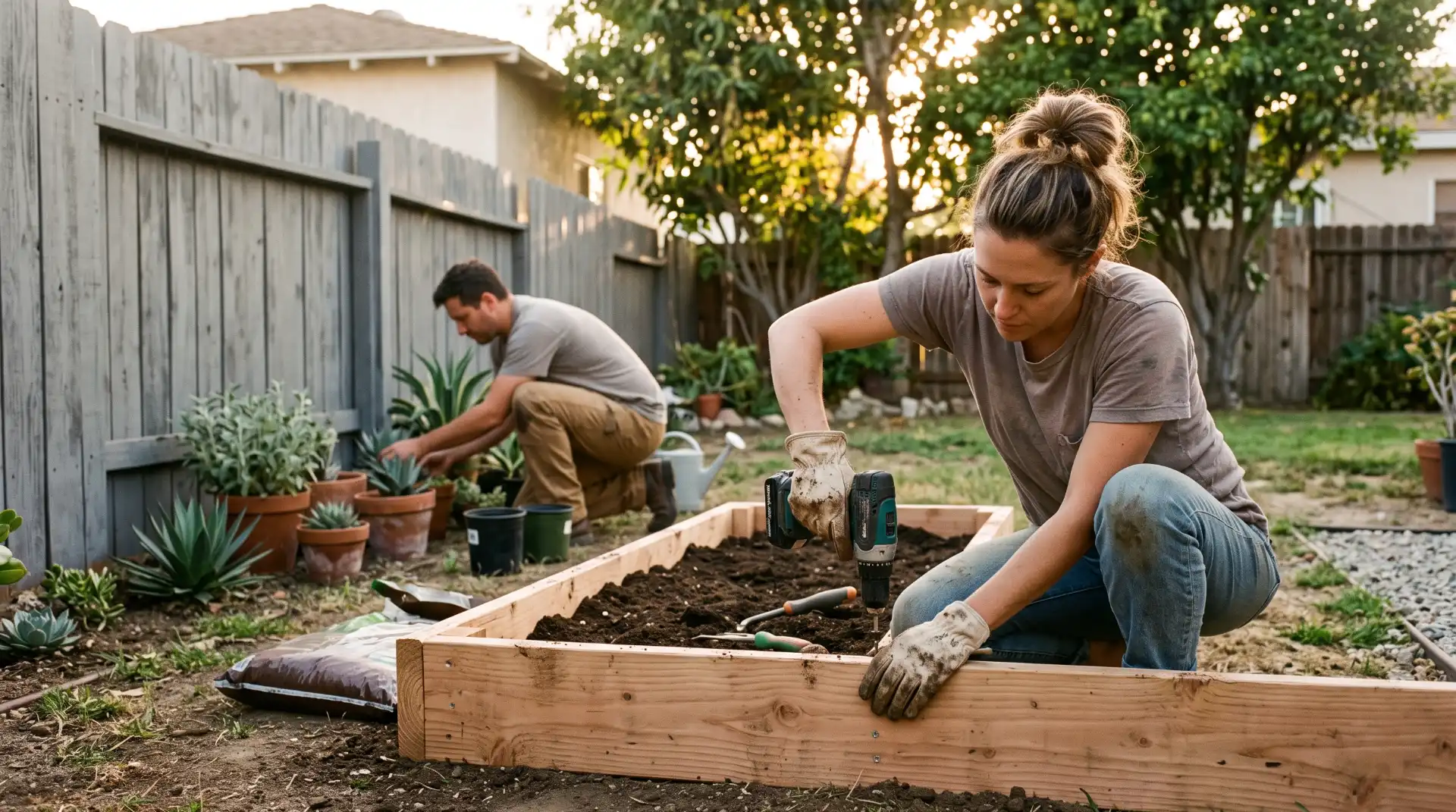
11. Choose Improvements That Support Future Resale
Not every homeowner plans to sell, but resale considerations can help when deciding which improvements deserve priority.
A property that appears clean, maintained, and functional may be easier for prospective buyers to evaluate. Obvious maintenance issues can distract from a home’s positive features, even when those problems are relatively inexpensive to correct.
Start with basic condition. Repair damaged trim, address visible leaks, replace broken fixtures, clean the windows, and ensure doors operate properly. These tasks may not be glamorous, but they demonstrate that the property has received attention.
Neutral finishes can also help potential buyers imagine how they would use a space. This does not mean every room must be white or identical. It means avoiding highly personalized and expensive changes when the likely return is uncertain.
Before making major investments, consider the property’s overall condition and the preferences of likely buyers in the area. A costly luxury feature may not be the best use of funds if the home still needs roof maintenance, plumbing repairs, or other essential work.
Homeowners can also review our guide to living in El Monte, California, and local homeownership considerations when evaluating improvements in the context of everyday life in the city.
Remember that no renovation guarantees a particular increase in market value. Results depend on market conditions, workmanship, the home’s original condition, the quality of the materials, and buyer preferences.
The most dependable approach is to choose upgrades that solve real problems while making the property more attractive and functional.
12. Understand Permits Before Starting Major Projects
Some home improvements are simple enough for a capable homeowner to complete, while others require professional expertise, permits, inspections, or compliance with building and safety requirements.
Painting a room or replacing cabinet handles is generally different from moving a load-bearing wall, changing electrical circuits, relocating plumbing, or adding a new structure.
Before starting a substantial project, check the applicable requirements with the City of El Monte. Requirements can depend on the scope of work, the property’s characteristics, and the type of construction involved.
Homeowners can begin with the city’s official Building and Safety information at https://www.elmonteca.gov/224/Building-Safety. Confirm current requirements directly with the city rather than relying solely on advice from a contractor, online discussion, or an older renovation guide.
If permits are required, understand the process before scheduling work. Ask contractors who will obtain the permits, arrange inspections, and provide documentation. Put the agreed responsibilities in writing.
It is also wise to check whether a project could affect property drainage, structural safety, fire protection, accessibility, or shared boundaries. Outdoor additions and substantial interior modifications may involve requirements that are not obvious at first.
Homeowners in an association or a property with shared facilities may also need to review applicable rules before making exterior changes.
Planning for approvals at the beginning can help prevent delays, unexpected expenses, and the possibility of having to remove or redo completed work.
13. Create a Realistic Home Improvement Budget
One of the most effective ways to keep renovations affordable is to decide how much you can spend before choosing materials or contacting contractors.
Start by separating essential repairs from optional upgrades. A leaking roof, unsafe wiring, persistent plumbing leak, or structural concern generally deserves attention before decorative lighting or new cabinet hardware.
Next, list the improvements you want to complete and rank them according to urgency, cost, and expected benefit. You may discover that several small repairs deliver more practical value than one expensive renovation.
Obtain written estimates for projects that require professional work. Compare the scope of each estimate rather than choosing solely by the lowest price. One contractor may include disposal, preparation, materials, and cleanup, while another may charge separately for those services.
Ask about product specifications, labor, warranties, payment schedules, and possible additional charges. Clarify how changes will be approved if unexpected conditions are discovered during the project.
Set aside a contingency amount for unforeseen problems. The appropriate reserve depends on the project’s size and condition of the home, but the important principle is to avoid committing every available dollar to the initial estimate.
You can also reduce costs by completing improvements in stages. For example, repair the kitchen cabinet doors and update the lighting now, then consider a backsplash or countertop later when the budget allows.
Avoid taking on debt for cosmetic upgrades that can reasonably wait. A renovation should improve your living situation, not create financial pressure that undermines its benefits.
14. Common Home Improvement Mistakes to Avoid
Even a relatively inexpensive project can become costly when planning is rushed. One common mistake is choosing materials before understanding the condition of the existing surface. New paint will not correct peeling caused by moisture, and new flooring will not resolve an unstable or damaged subfloor.
Another mistake is prioritizing appearance over function. A beautiful kitchen is less useful if it has inadequate lighting, unreliable plumbing, or insufficient storage. Address practical problems before spending heavily on decorative details.
Homeowners can also underestimate preparation time. Painting, for example, may require cleaning, sanding, patching, priming, protecting surrounding surfaces, and allowing the finish to cure. Skipping these steps can shorten the life of the result.
Buying materials before taking accurate measurements is another avoidable problem. Incorrect quantities can lead to delays, extra trips, and mismatched products. Confirm measurements and installation requirements before placing orders.
Do not assume that every DIY project will save money. If a task requires specialized tools, technical knowledge, or safety precautions you do not have, hiring a qualified professional may be the more economical choice.
Finally, avoid copying a renovation simply because it looks attractive in a photograph. Your home’s layout, climate exposure, maintenance needs, and budget may differ from the property shown online.
The best improvement is one that suits your home rather than one that follows a trend.
15. A Practical Home Improvement Plan for El Monte Homeowners
If you are unsure where to begin, a simple phased plan can help you make steady progress.
Phase One: Inspect and maintain. Walk through the home and note visible damage, leaks, worn sealant, malfunctioning fixtures, and other maintenance concerns. Address safety issues and active water problems first.
Phase Two: Improve comfort and efficiency. Check weatherstripping, lighting, irrigation, HVAC filters, and water fixtures. These smaller tasks can often be completed without changing the structure of the home.
Phase Three: Refresh the most-used rooms. Focus on the kitchen, bathroom, living room, or another area where an improvement would make a meaningful difference in daily life. Select a manageable project rather than attempting several major renovations at once.
Phase Four: Improve outdoor spaces. Clean the entrance, maintain existing landscaping, organize the backyard, and consider climate-appropriate planting. Verify requirements before beginning substantial construction.
Phase Five: Review the results. After each project, assess whether the improvement delivered the expected benefit. Use that experience to decide what should come next.
Homeowners looking for more ideas about local neighborhoods and community development can also explore El Monte neighborhood and community guides. Considering the way you use your home and surrounding community can help you prioritize projects that improve everyday life.
This phased approach makes home improvement easier to manage because it connects each expense to a clear purpose.
Frequently Asked Questions About Affordable Home Improvements in El Monte
What are the most affordable home improvements for El Monte homeowners?
Some practical starting points include replacing outdated light bulbs with LEDs, repairing leaking faucets, improving door weatherstripping, refreshing cabinet hardware, repainting suitable surfaces, and organizing storage. The best choice depends on your home’s condition and the problem you want to solve.
Which home improvements can help reduce energy costs?
Potential options include air sealing, appropriate insulation improvements, LED lighting, efficient fixtures, well-maintained cooling equipment, and better management of sunlight through window coverings. Actual savings vary with the home, household habits, utility rates, and the quality of the installation.
Is it better to remodel the kitchen or bathroom first?
Start with the room that has the most pressing maintenance problems or creates the greatest inconvenience. A leaking bathroom fixture may deserve immediate attention, while a kitchen with sound cabinets may need only improved lighting and minor cosmetic updates.
Do I need a permit for home improvements in El Monte?
Permit requirements depend on the project. Cosmetic work may have different requirements from structural changes, electrical modifications, plumbing relocations, or additions. Check with the City of El Monte Building and Safety Department before beginning work that may require approval.
Can affordable home improvements increase resale value?
Some improvements may make a property more attractive to buyers, particularly when they address visible maintenance issues or improve functionality. However, no project guarantees a specific return. Results depend on local market conditions, workmanship, property condition, and buyer preferences.
Should I hire a contractor or complete the project myself?
DIY work can be appropriate for straightforward tasks when you have the necessary skills and tools. Projects involving structural safety, complex plumbing, electrical systems, or other specialized work may require qualified professionals and applicable permits. Compare the total cost, safety considerations, and expected quality before deciding.
How can I keep a renovation from going over budget?
Define the project’s scope before purchasing materials, compare detailed written estimates, prioritize essential repairs, and reserve money for unexpected issues. Completing projects in stages can also make spending more manageable.
Conclusion: Improve Your El Monte Home One Project at a Time
Affordable home improvements in El Monte do not have to involve a complete remodel or expensive designer finishes. Many of the most useful upgrades focus on maintaining the home’s existing condition, improving comfort, reducing waste, and making everyday spaces easier to use.
Start with practical priorities such as fixing leaks, maintaining exterior surfaces, improving lighting, sealing air gaps, and organizing storage. Once those needs are addressed, consider modest kitchen and bathroom updates, more efficient fixtures, or a low-maintenance outdoor space.
Before committing to a larger project, compare costs, evaluate the condition of your home, and verify any applicable permit requirements. Use qualified professionals when a project involves specialized work or safety concerns.
Most importantly, choose improvements that make sense for your household and long-term goals. A series of well-planned, manageable upgrades can create a more comfortable and attractive home without the expense and disruption of renovating everything at once.
For El Monte homeowners, the smartest home improvement plan is not necessarily the biggest one. It is the one that puts the budget toward improvements that matter most, protects the property, and makes the home a better place to live.